Everyone is built to play
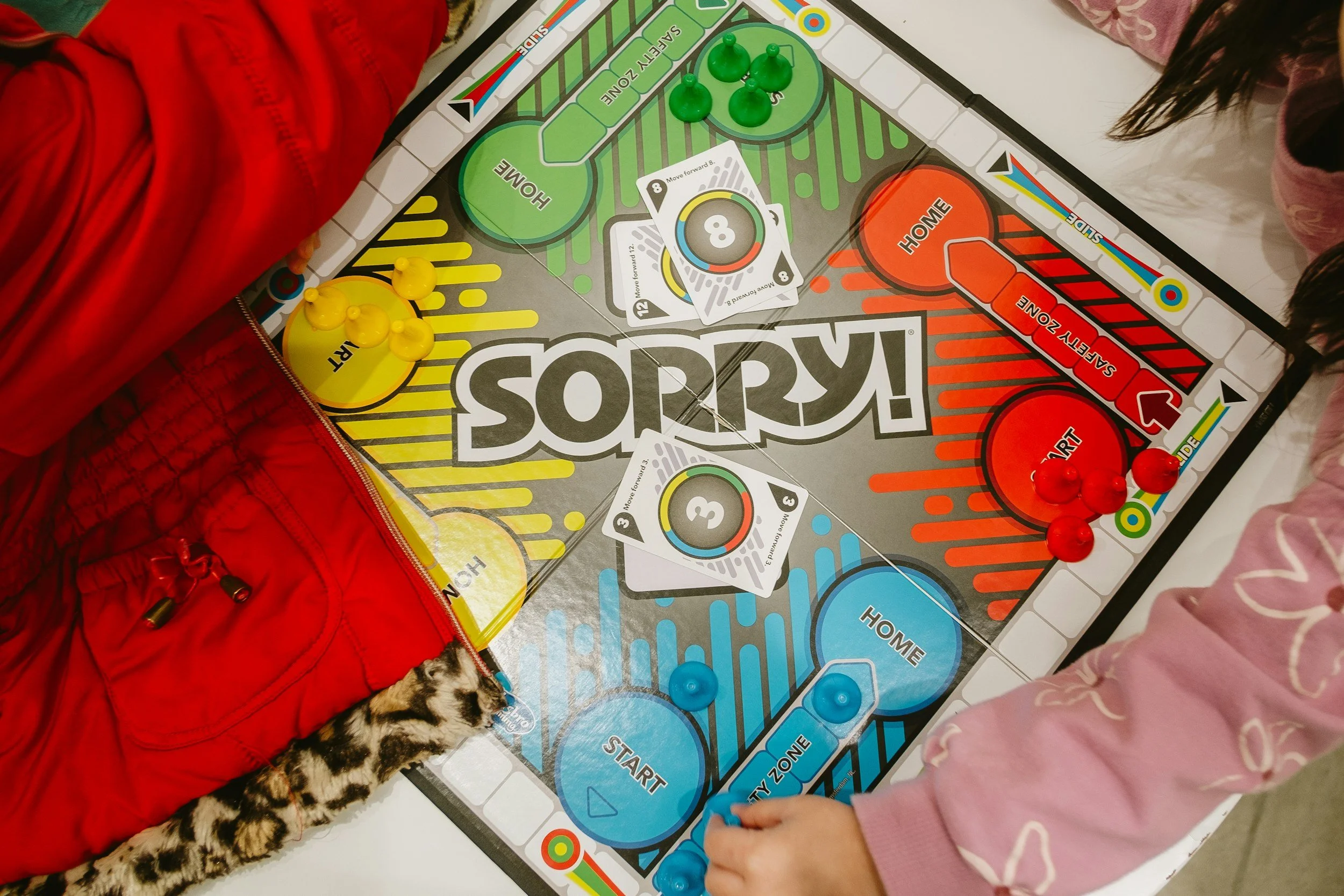
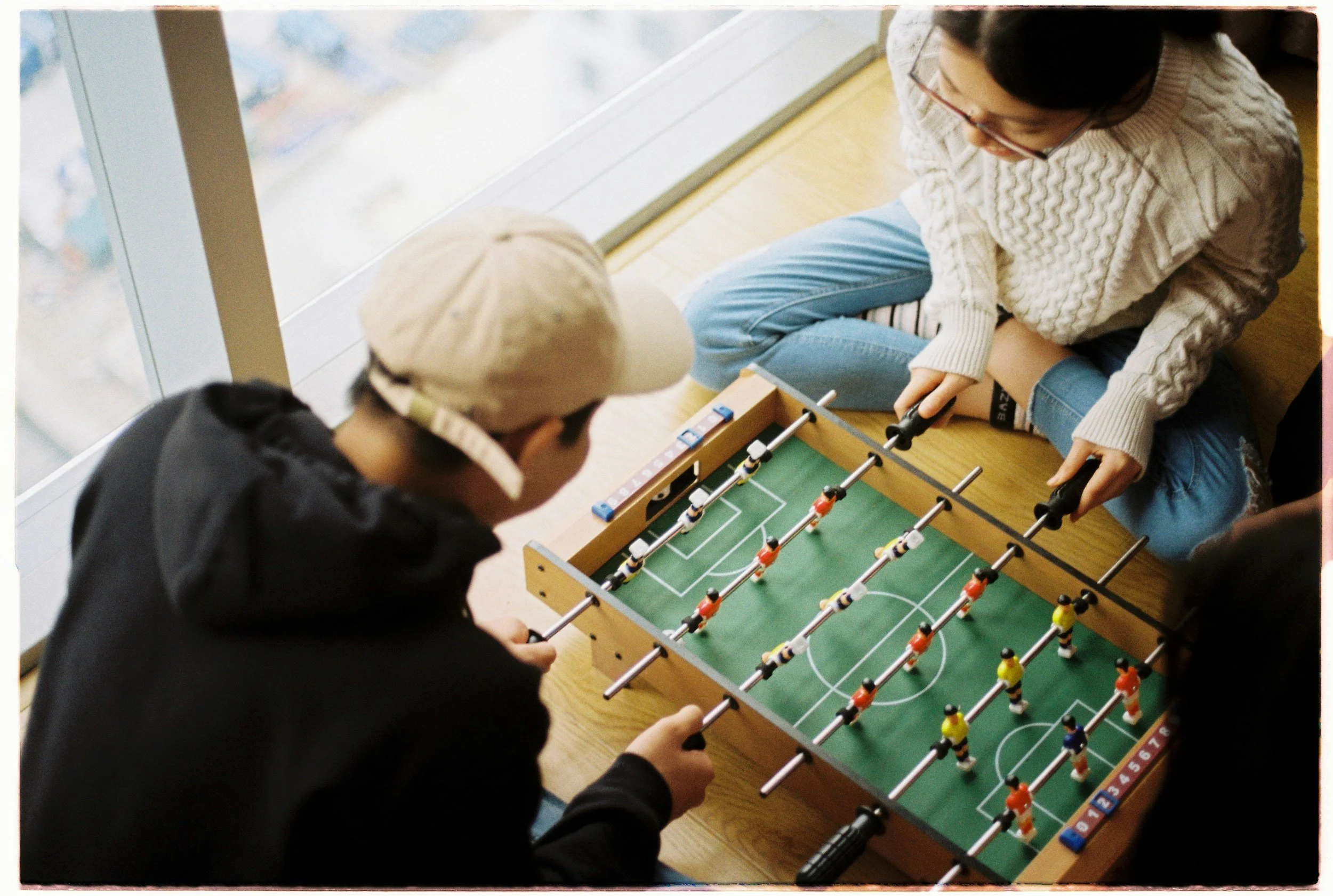
Recently, our family had one of those days where everyone was home sick at the same time. After the soup and crackers, we pulled out the board game SORRY! What followed was an hour of laughing, groaning, sorry sabotage, and genuine fun. At one point I looked around the table and thought: when was the last time we did this?
I was thinking about board games at the time, and I was also thinking about play in any form. That easy, outcome-free kind of engagement that children move in and out of all day, and that adults seem to quietly leave behind somewhere in the transition to grown-up life. I was also thinking about why play is so vital to life in general.
🎲 What Play Actually Is And Isn't
It helps to define play properly because it’s common for adults to quietly replace genuine play with things that only resemble it. According to Dr. Stuart Brown, founder of the National Institute for Play, true play is intrinsically motivated, process-focused in the mind of the player, and done for its own sake (Brown, 2009). There is no external goal, no performance metric, and no outcome being optimized. It is characterized by enjoyment, spontaneity, and creativity.
By that definition, play is not:
Exercise tracked for calories burned
A hobby pursued purely for self-improvement
Sports governed by competition and rules
Leisure that is passive consumption like scrolling, streaming, or zoning out
The noun “to play” infers a sort of all-or-none principle. As if we are either playing or we are not playing, which we think of as a childhood activity. So for adults, it may be more appropriate to think in terms of the adjective, “playful.” People can exhibit a varying degree of playfulness in terms of a “playful attitude”, “playful spirit”, or “playful behavior.” It is not an all-or-none thing akin to creativity. Even the most tedious of work can be approached with a measure of creativity, so true is it that we can approach anything with a measure of playfulness.
Play is a board game with your family. It is also cooking something new without a recipe, an impromptu dance in the kitchen, a game with no stakes, or making something purely because you felt like it. The form matters far less than the spirit and freedom from outcomes.
The common thread is not the activity but rather the state of mind.
🧬 Play Is Hardwired
💡 Renown neuroscientist Dr. Jaak Panksepp (father of affective neuroscience) identified play as one of seven primary emotional systems conserved across all mammalian brains including ours. It is not a learned behavior or cultural invention. It is an ancient biological drive. (Panskepp, 1991).
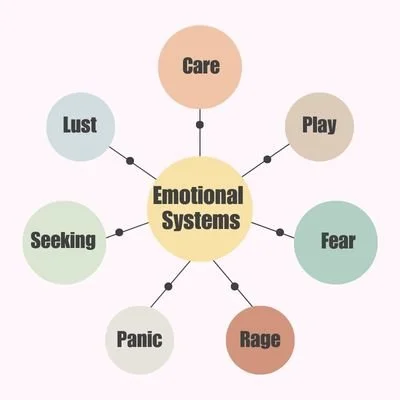
Emotional Systems | Pankseppian Affective Neuroscience
In his landmark research on affective neuroscience, Dr. Panksepp demonstrated that the play system operates from deep subcortical brain regions, functioning independently of higher cortical areas (Panksepp, 2011). This means play is not something the sophisticated adult brain invented. It is something the primitive survival brain requires.
Evolution preserved the play system because it confers real adaptive advantages like learning social boundaries, building stress tolerance, and practicing emotional recovery in safe conditions.
From a neurochemical standpoint, play:
Triggers dopamine release through the brain's reward and exploration system.
Activates the prefrontal cortex for creativity and emotional regulation.
Engages the parasympathetic nervous system, shifting the body from fight-or-flight toward rest-and-restore.
Triggers endogenous opioid release during social play, reducing stress and strengthening social bonds (Manninen et al., 2017).
A 2025 narrative review in Frontiers in Neuroscience confirmed that playfulness across the lifespan correlates with cognitive resilience and may act as a protective factor against neurodegeneration (Canepa et al., 2025) and protects cognition (Golland et al., 2025). Meaning that play is both an important developmental scaffold for children, and it is protective biology for people of all ages.
⚠️ What Happens When Adults Stop Playing
In his book about the science of play, Dr. Brown outlines research that describes how animals deprived of the opportunity to play struggle to cope with normal social demands, handle stress poorly, and recover slowly from difficult encounters.
In adults, chronic play deprivation is thought to be associated with:
Emotional rigidity: reduced cognitive flexibility and difficulty adapting to change
Burnout: play deprivation depletes the emotional reserves that protect against exhaustion
Weakened social bonds: play is an important mechanism for building and sustaining connection across the lifespan
Accumulated stress: without play's nervous system reset, the body loses one of its most accessible cortisol regulators
When we lose access to play, important regulatory and functional biological systems can quietly diminsh. Sometimes without even knowing they were in jeopardy.
🛡️ Play Builds Resilience
One of the most compelling findings in play research is that play builds resilience not by eliminating stress, but by training the nervous system to recover from it. Play creates repeated cycles of arousal, uncertainty, and resolution in a safe context, giving the nervous system low-stakes rehearsal for navigating the unpredictable.
Research backs this up. Adults with richer play lives showed higher emotional intelligence, greater resilience under stress, and stronger capacity to regulate positive emotional affect (Ho et al., 2022).
Think back to the time my family played SORRY!. The mock outrage when a piece gets sent home. The laughter. The quick recovery and re-engagement. That emotional cycling of frustration, humor, and reconnection is exactly what nervous system resilience training looks like. It doesn't feel like work at the time because it’s FUN, and that's the whole point. And it's why play is so easy to dismiss, and so costly to lose.
🎨 Finding Your Play Personality
The invitation here isn't to schedule "play time" on a calendar, that reintroduces the outcome-orientation that undermines play in the first place. It's to recognize where the impulse toward play already lives in you, and give yourself opportunities to live it.
Dr. Brown identified eight play personalities that reflect how individuals most naturally engage in play. Most of us are a blend of two or three. Recognizing yours is a useful starting point. Do any of the following call to you?
Joker (humor and laughter)
Kinesthete (movement and physical sensations)
Explorer (discovery and novelty)
Competitor (games and challenges)
Director (organizing and orchestrating experiences)
Collector (curating and gathering)
Artist/Creator (making things)
Storyteller (narrative and imagination).
If you see yourself in any of these, the examples below aren't a to-do list. They're illustrations of what following that impulse might actually look like:
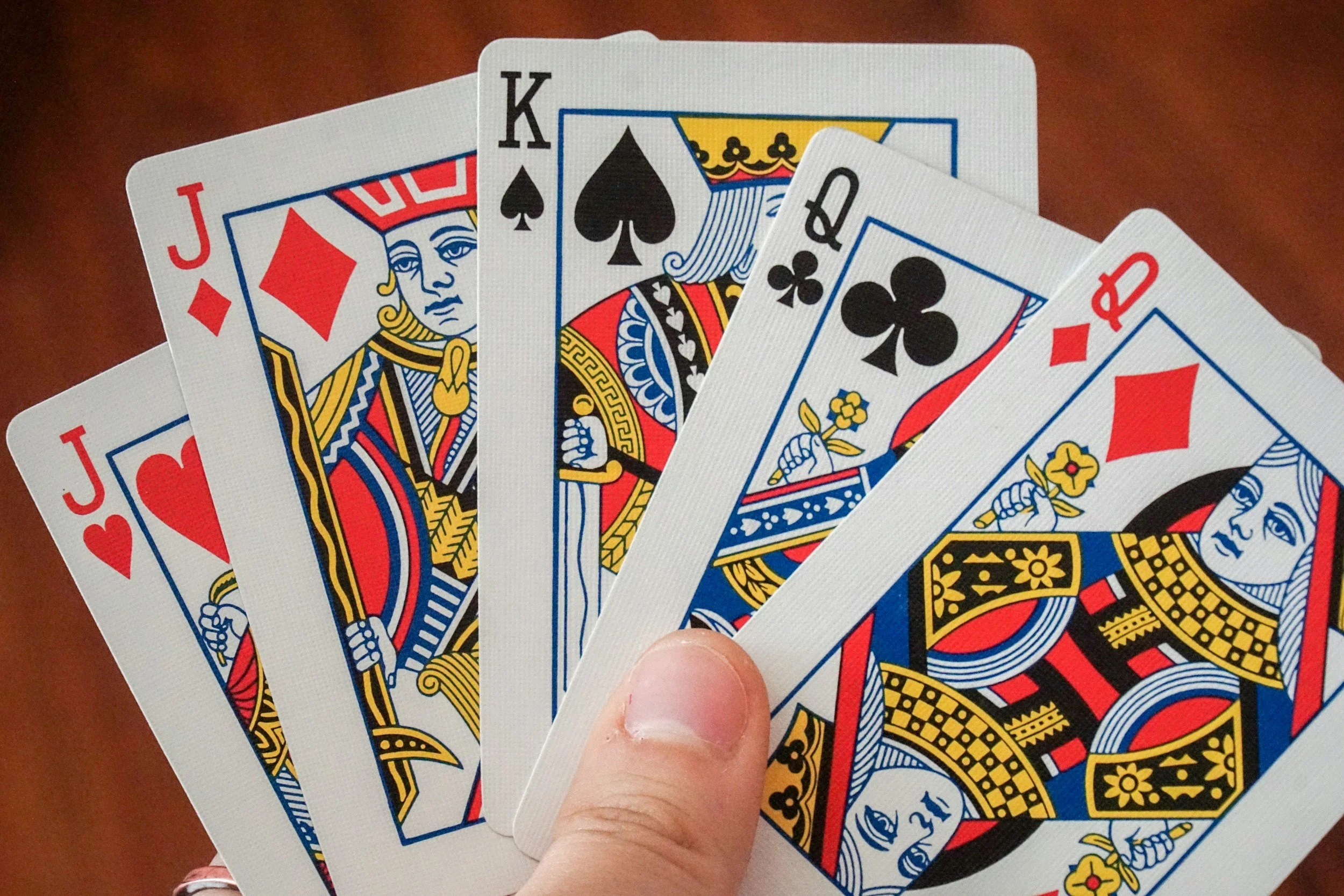
Board games, cards, or puzzles with people you enjoy
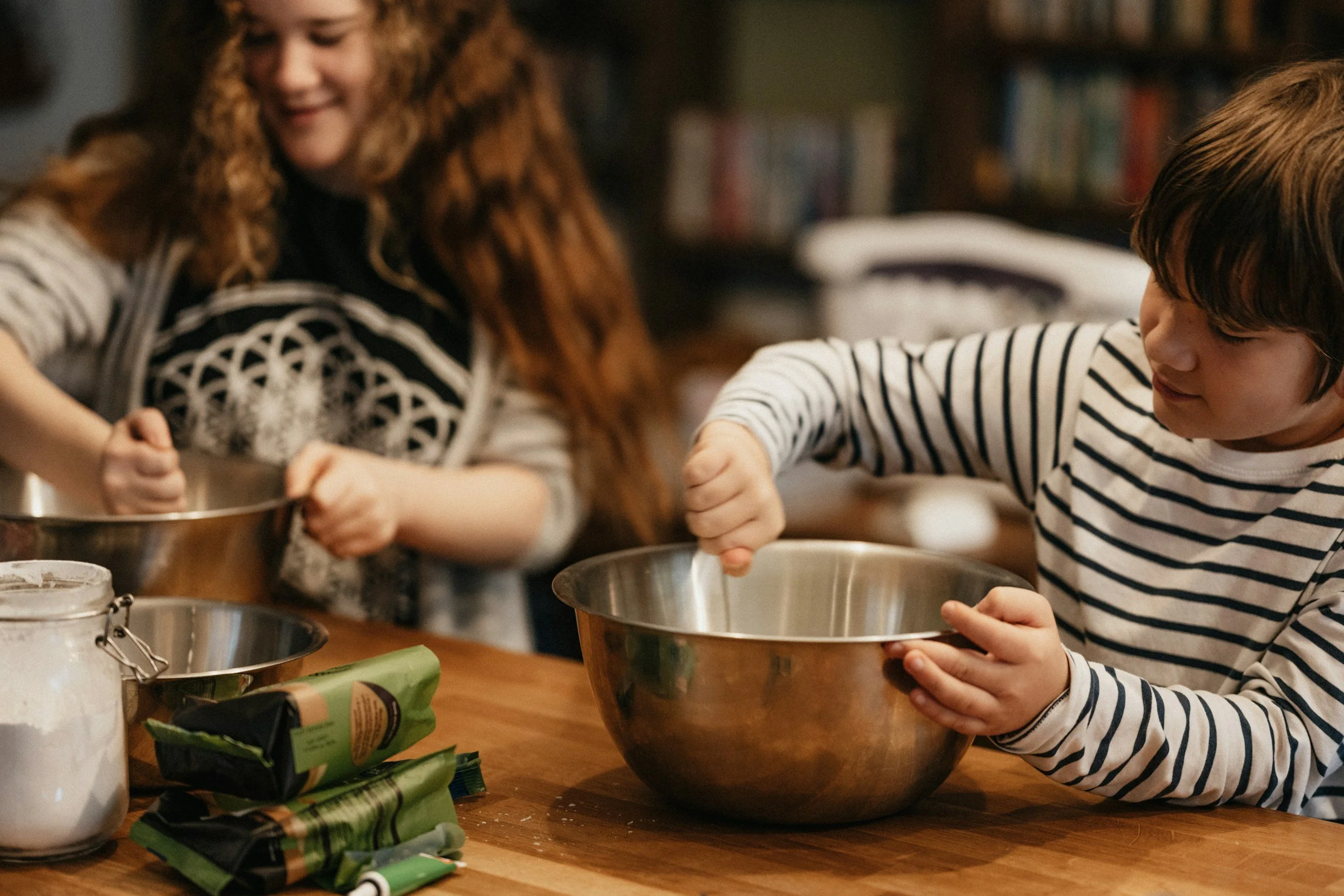
Cooking something experimental without a recipe and expectations
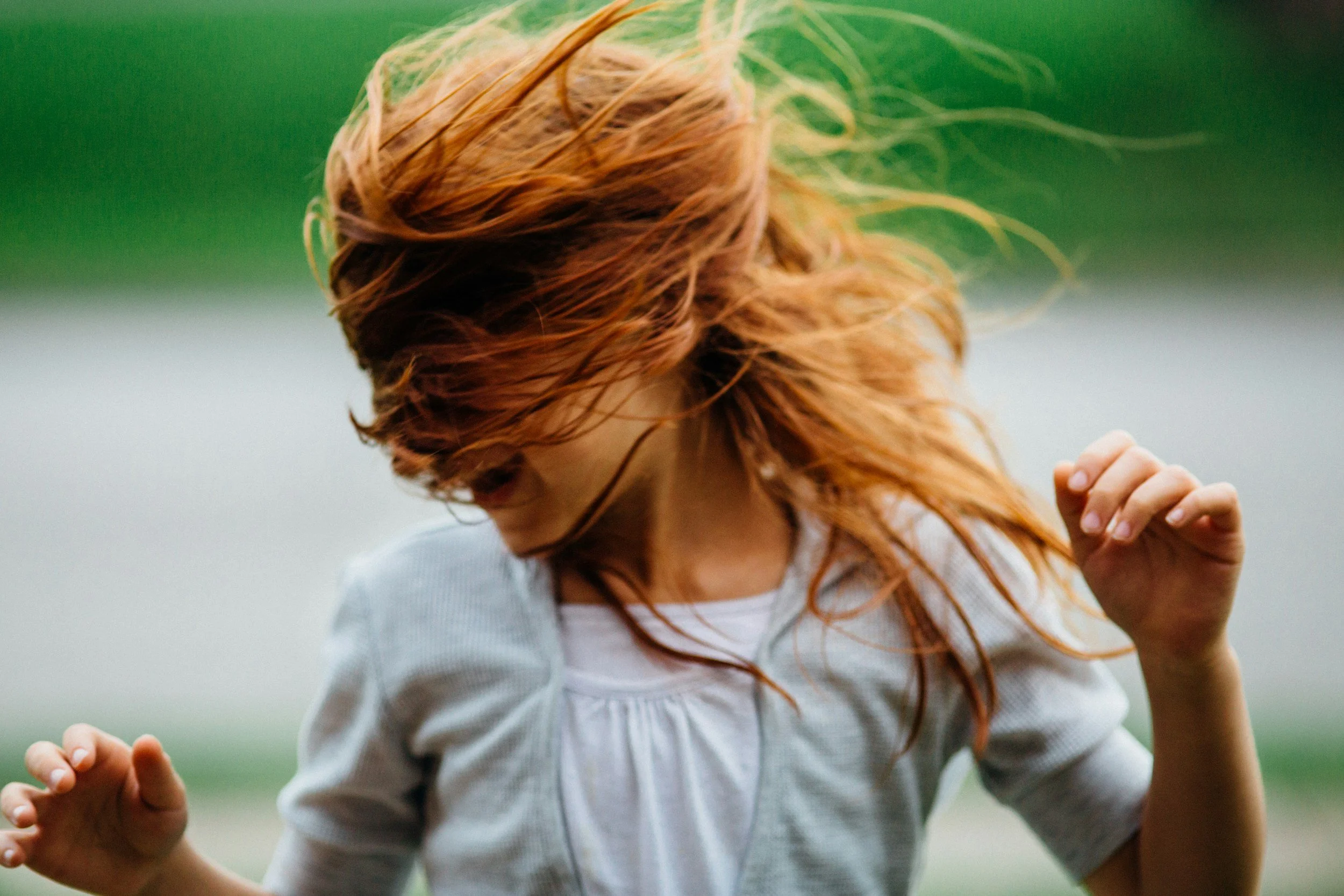
Movement for the joy of it: dancing, hiking somewhere new, shooting hoops
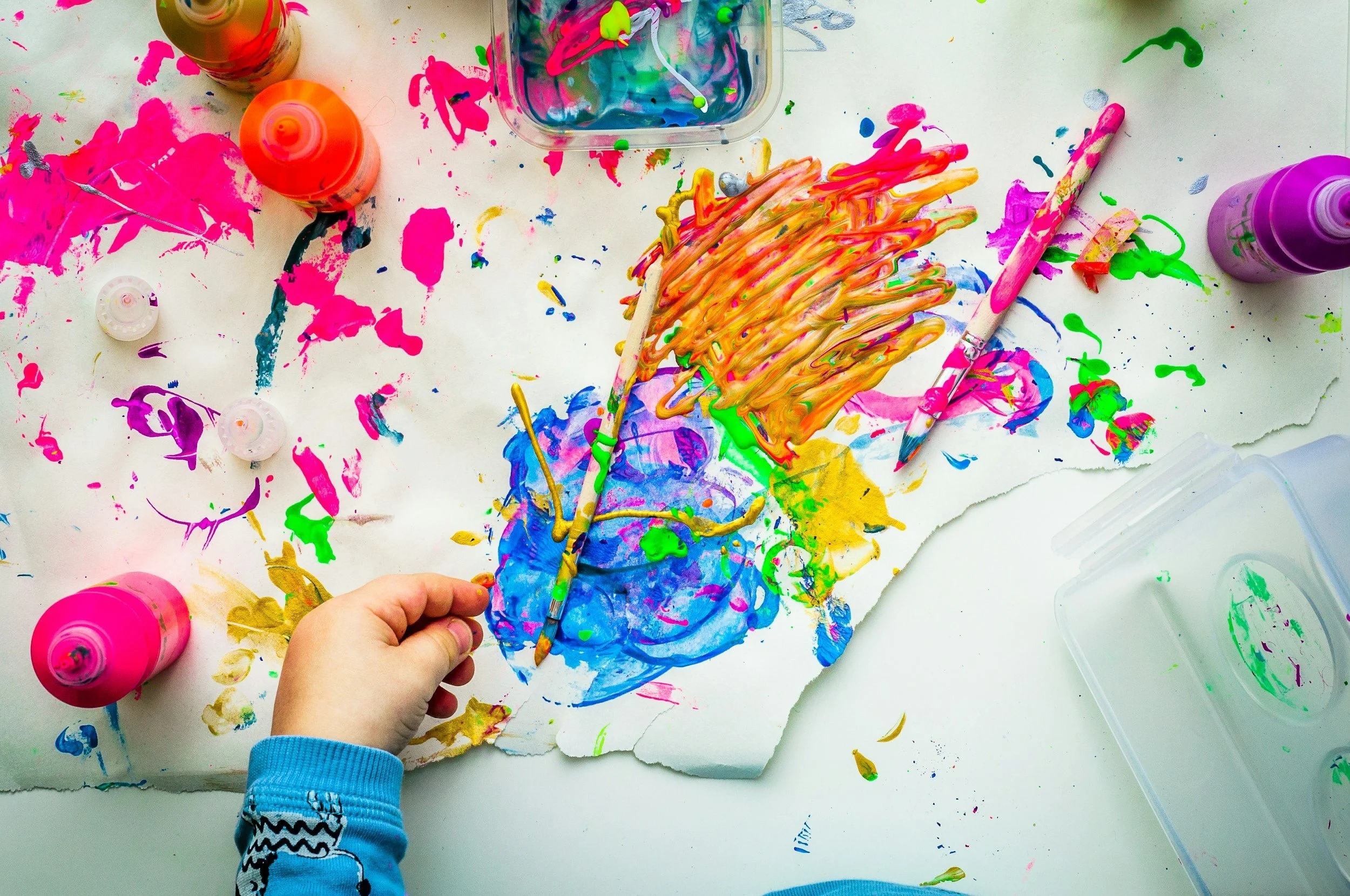
Making something with no audience in mind: drawing, writing, building
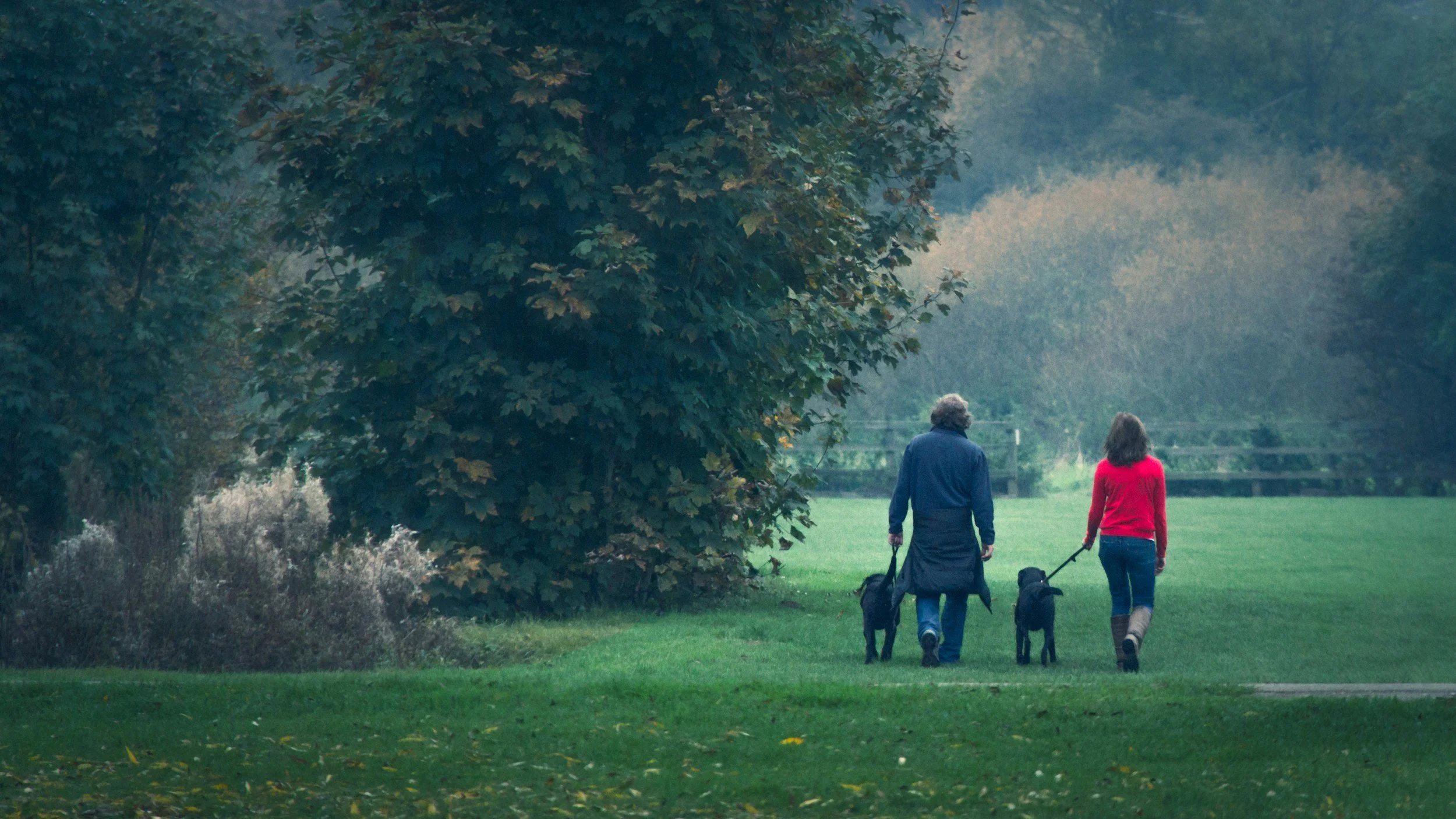
Exploring somewhere unfamiliar with no agenda or destination
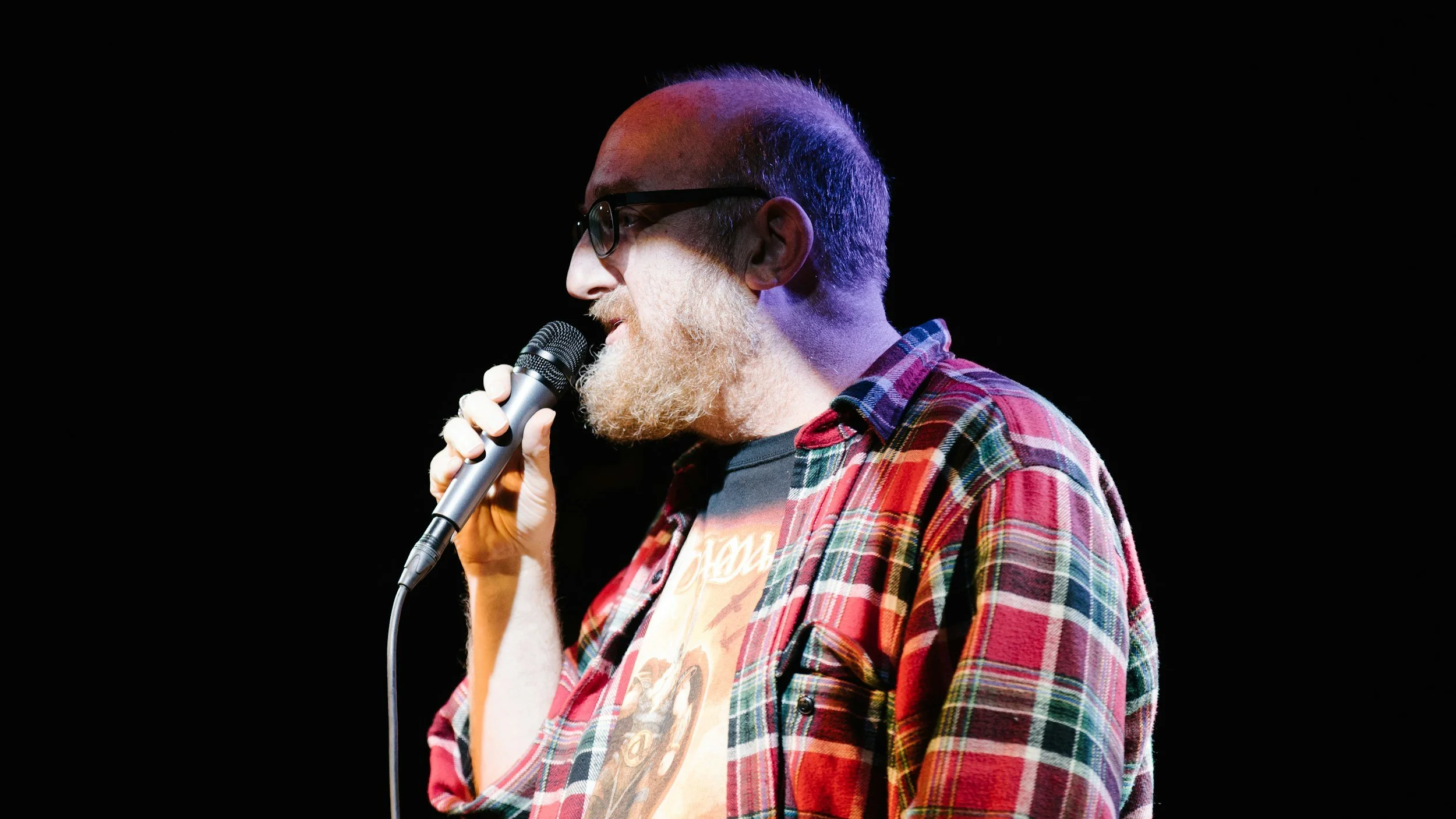
Improvisation, which is core to creative arts, drama therapy, performing arts, or dance movement
None of these need to take long. What they require is the one thing play depends on: permission to be purposeless.
💭 Play Is a Whole Health Practice
A life without play functions. But functioning and flourishing are different things, and whole health is about the latter. When we ask what matters to us, what we aspire toward, and what gives life meaning the answer almost always includes moments of genuine lightness, connection, and presence. Play is a great way we get there.
✅ Your challenge this week
Think back to what play looked like for you as a child. What types of play absorbed you completely: What you would do for hours without noticing time pass?
Then ask: where does any version of that still exist in your life today?
If the answer is nowhere, it is an invitation to start small. Say yes to something playful this week, and notice what your body does.
References